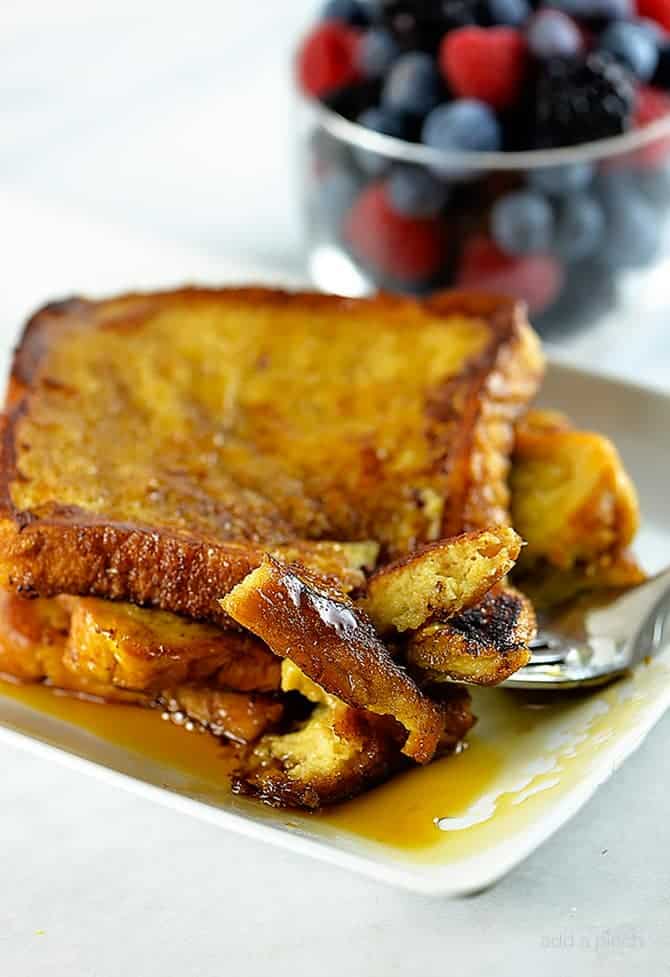
There are breakfast dishes, and then there's French toast. More than just a simple meal, it's a nostalgic journey back to lazy weekend mornings, a comforting embrace of warm, custardy bread, and a canvas for endless culinary creativity. While many have tried their hand at this classic, few truly master it. If you've been on a quest for the ultimate morning indulgence, you're in the right place. We're about to delve deep into the nuances and techniques that will transform your breakfast from good to truly extraordinary, guiding you to discover your very own perfect recipe. For a broader overview of starting your French toast journey, consider our initial guide on the best french toast recipe - Article 1.
Forget dry edges and soggy centers; we’re talking about a golden-brown exterior that yields to a perfectly moist, flavorful interior. This isn't just about dipping bread in eggs; it's an art form that balances textures, aromas, and tastes. From choosing the right bread to perfecting your custard and mastering the cook, every step plays a crucial role in achieving French toast nirvana. Prepare to elevate your breakfast game and impress even the most discerning palates with these expert insights into crafting the ultimate morning treat.
The Foundation of Flavor: Mastering the Custard for the Best French Toast Recipe
The heart and soul of any exceptional French toast lies squarely in its custard. This isn't merely an egg wash; it's a richly flavored bath that imbues the bread with moisture, sweetness, and spice. Getting this right is perhaps the most critical step in crafting the version you've always dreamed of. For a deeper dive into ingredient choices and their impact on flavor, refer to our insights in the best french toast recipe - Article 2.
The Perfect Ratio: Eggs, Dairy, and Sweetener
- Eggs: The base of your custard, eggs provide structure and richness. For a standard recipe, a good starting point is 2-3 large eggs per cup of dairy. Adjust based on the thickness of your bread and desired custardy texture. More eggs mean a denser, richer French toast, while fewer will result in a lighter, more bread-like consistency.
- Dairy: This is where flavor and moisture truly come alive.
- Whole Milk: A classic choice, offering a balanced richness without being too heavy.
- Half-and-Half or Light Cream: For a more indulgent, creamier French toast, these options add a luxurious mouthfeel. They are excellent for achieving that almost-dessert quality.
- Heavy Cream: While delicious, use sparingly or dilute with milk, as it can make the custard too rich and heavy, potentially leading to a greasy finish if not cooked properly.
- Buttermilk: An unconventional but delightful choice, adding a subtle tang that beautifully complements sweet toppings.
- Sweeteners: Granulated sugar is standard, but don't limit yourself. A tablespoon or two of maple syrup or brown sugar can add depth and a lovely caramelized note. For an even more intense flavor, consider a touch of honey or agave nectar.
The Aromatic Symphony: Spices and Extracts
These small additions make a huge difference, transforming a simple egg wash into an aromatic experience.
- Vanilla Extract: A non-negotiable. Pure vanilla extract adds warmth and sweetness, enhancing all other flavors. Don't be shy; a full teaspoon or even a tablespoon for a batch is often perfect.
- Cinnamon: The quintessential French toast spice. Ground cinnamon adds a cozy, comforting aroma and flavor. About half a teaspoon is usually sufficient for a standard custard, but adjust to your preference.
- Nutmeg: A pinch of freshly grated nutmeg can elevate your French toast to gourmet status, adding a warm, slightly earthy undertone.
- Other Spices: Experiment with a tiny dash of cardamom, allspice, or even a hint of orange zest for an adventurous twist.
Mixing it Right: Technique Matters
Whisk your eggs thoroughly first to break down the whites. Then, gradually whisk in the dairy, sweetener, and spices until everything is well combined and smooth. Avoid over-whisking once the dairy is added, as you don't want to incorporate too much air, which can make the custard frothy. A good rule of thumb is to ensure no streaks of egg white remain.
Choosing Your Bread Wisely: The Unsung Hero of the Best French Toast Recipe
Often overlooked, the bread choice is paramount. It acts as the canvas for your custard and dictates the final texture of your French toast. The secret to the best French toast recipe often begins before you even touch an egg.
The Stale Bread Advantage
This is perhaps the most crucial tip: use slightly stale bread. Fresh bread, with its higher moisture content, tends to absorb too much custard too quickly, leading to a soggy interior that falls apart during cooking. Stale bread, on the other hand, soaks up the custard more evenly and holds its structure beautifully, resulting in that coveted crisp exterior and tender, custardy center.
- How to Stale Bread: If you don't have day-old bread, you can achieve this by leaving slices out on a wire rack for a few hours, or even baking them in a low oven (around 250°F / 120°C) for 10-15 minutes until slightly dry but not toasted.
Top Contenders for French Toast Excellence
- Brioche: This rich, buttery, and slightly sweet bread is arguably the king of French toast. Its tender crumb and high fat content make for an incredibly luxurious and flavorful result.
- Challah: Similar to brioche but often less sweet, challah is another excellent choice. Its dense yet soft texture absorbs custard beautifully and holds up well during cooking.
- Sourdough: For those who prefer a slight tang, sourdough offers a wonderful contrast to the sweet custard and toppings. Its sturdy crust and open crumb make for great texture.
- Texas Toast: Thick-sliced white bread is a classic for a reason. Its substantial size can handle plenty of custard, leading to a hearty and satisfying French toast.
- Artisan White Bread: A good quality, firm white bread or even a rustic country loaf can work wonders, especially if sliced thick.
The Importance of Slice Thickness
Aim for slices that are about ¾ to 1 inch thick. Too thin, and your French toast will be flimsy and potentially soggy. Too thick, and the custard may not penetrate sufficiently, leaving you with dry spots. A good, thick slice ensures a substantial custardy interior without compromising structural integrity.
The Perfect Pan & Technique: From Soak to Sizzle for the Best French Toast Recipe
With your perfect custard and ideal bread ready, the final stage is all about technique. How you soak and cook your French toast determines its texture, color, and overall appeal. This is where your quest for the best French toast recipe truly comes to life on the stove.
The Art of Soaking
This is a delicate balance.
- Brioche & Challah: These breads are softer and absorb quickly. A quick dip – about 10-20 seconds per side – is often enough. You want the bread saturated but not falling apart.
- Sourdough & Thicker Breads: These might require a longer soak, up to 30-45 seconds per side, to ensure the custard penetrates deep into the crumb.
- The Goal: The bread should feel heavy and completely saturated, but still firm enough to handle without tearing. Lay the soaked slices directly onto a plate or baking sheet as you finish dipping, giving any excess custard a moment to drain.
Heating the Pan and Choosing Your Fat
- Pan Choice: A heavy-bottomed skillet (cast iron is excellent for even heat distribution) or a large electric griddle works best.
- Fat: Butter is king for flavor, providing that irresistible golden-brown crust and rich aroma. However, butter can burn easily.
- Butter + Oil Blend: The ideal solution. Use a tablespoon of unsalted butter combined with a teaspoon of a neutral high-smoke-point oil (like canola or grapeseed). The oil helps prevent the butter from burning, allowing you to achieve a beautiful sear.
- Clarified Butter: An even better option as it has a higher smoke point than regular butter.
- Temperature: Medium heat is your friend. Too high, and the exterior will burn before the interior is cooked through. Too low, and your French toast will soak up too much fat and become greasy, lacking that crisp crust. You want a steady sizzle when the bread hits the pan.
The Sizzle and Flip
- Melt your butter/oil blend in the preheated pan until shimmering.
- Carefully place soaked bread slices in the pan, ensuring not to overcrowd it. Give them space to breathe and cook evenly.
- Cook for 2-4 minutes per side, or until deeply golden brown and cooked through. You can gently press down on the toast with a spatula to ensure even contact with the pan.
- The interior should be custardy and moist, not runny. If you're unsure, you can finish thicker slices in a 250°F (120°C) oven for a few minutes after searing to ensure they're cooked through without burning the exterior.
- Serve immediately or keep warm on a wire rack set over a baking sheet in a low oven (around 200°F / 95°C) while you cook the remaining batches.
Elevating Your French Toast: Toppings and Twists
While the perfect French toast is a delight on its own, toppings are where you can truly personalize your dish and make it unforgettable. This is the final flourish for your best French toast recipe.
Classic Toppings (Always a Winner)
- Maple Syrup: Pure, Grade A maple syrup is non-negotiable for traditionalists. Warm it gently before serving for an extra touch of luxury.
- Powdered Sugar: A dusting of confectioners' sugar adds elegance and a delicate sweetness.
- Fresh Berries: Strawberries, blueberries, raspberries, and blackberries add freshness, a hint of tartness, and vibrant color.
- Whipped Cream: A dollop of freshly whipped cream adds richness and a delightful texture contrast.
Gourmet & Creative Options
- Fruit Compotes: Berry compotes, apple cinnamon compote, or peach compote add a burst of cooked fruit flavor and a lovely sauce-like consistency.
- Nut Butters & Nuts: A drizzle of almond butter or peanut butter, topped with chopped pecans, walnuts, or slivered almonds, adds protein and crunch.
- Chocolate: Chocolate chips (mini or regular), chocolate sauce, or grated dark chocolate can transform French toast into a decadent dessert.
- Caramel or Dulce de Leche: Rich, sweet, and sticky – perfect for a truly indulgent treat.
- Savory Twists: While less common, don't shy away from savory French toast! Think avocado and everything bagel seasoning, or a fried egg and bacon, or even cheese and ham for a "Monte Cristo" style experience.
- Citrus Zest: A little lemon or orange zest sprinkled over the top adds brightness and cuts through the richness.
Experimentation is key! Don't be afraid to mix and match flavors to discover your ultimate combination. A sprinkle of sea salt can even enhance the sweetness and complexity of the dish.
Conclusion: Your Journey to the Best French Toast Recipe
Crafting the best French toast recipe is a delightful culinary adventure, a true testament to how simple ingredients, when handled with care and attention, can transform into something truly spectacular. We've explored the critical elements: from the foundational custard, balanced with the perfect blend of eggs, dairy, and warming spices, to the strategic choice of slightly stale, thick-cut bread. We've also covered the nuanced art of soaking and the precise technique required for cooking to a golden, custardy perfection. Remember, the true beauty of French toast lies in its versatility and the joy it brings. Don't be afraid to experiment with different breads, adjust the custard to your liking, and get creative with toppings. With these insights, you're now equipped to move beyond basic breakfast and consistently create a dish that is rich, tender, flavorful, and utterly irresistible – your very own definitive best French toast recipe. Enjoy the process, savor every bite, and share the warmth with those you love.
